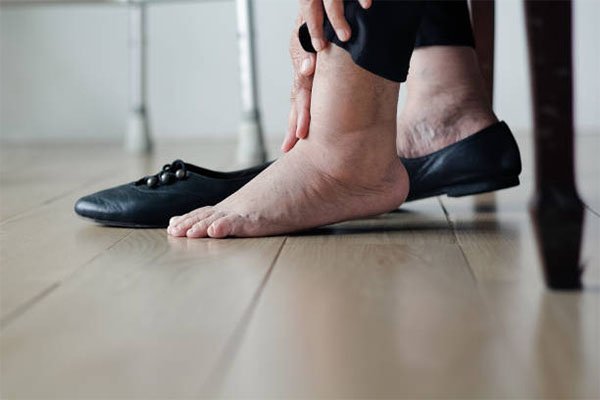
Healthy feet form the foundation of a healthy body. Whether you’re standing for long hours, recovering from an injury, or managing chronic pain, insoles play a crucial role in maintaining comfort, alignment, and mobility. From orthotic insoles designed for medical correction to custom insoles made for personalized support, the right insole can significantly enhance your quality of life.
Insoles, often referred to as shoe inserts, are supportive layers placed inside footwear to enhance comfort and foot stability. They help reduce fatigue, absorb shock, and improve posture. Depending on their design and purpose, insoles can assist with pain relief, motion control, and corrective alignment for various foot conditions such as flat feet, overpronation, and plantar fasciitis.
Unlike standard inserts, orthotic insoles are engineered with biomechanical precision to correct foot alignment, distribute body weight evenly, and alleviate strain on muscles and joints. They are widely recommended for both preventive care and therapeutic applications.
1. Arch Support
A defining feature of orthotic insoles is their contoured arch support, which matches the natural curve of your foot.
Rigid orthotic insoles, typically made from carbon fiber or hard plastic, provide firm support and control for conditions like flat feet and overpronation.
Semi-rigid or cushioned insoles, crafted from EVA foam or polyurethane, offer comfort and shock absorption, ideal for daily wear or light activity.
Proper arch support insoles not only relieve stress but also improve posture and balance.
2. Heel Cup for Stability
The heel cup is a crucial structural element that cradles the heel, providing stability and helping align the foot with the ankle.
A deep heel cup reduces unwanted rolling of the foot, aiding conditions like plantar fasciitis and Achilles tendonitis.
Many medical insoles use gel or silicone heel cups to deliver extra cushioning and absorb high-impact shocks during walking or running.
3. Metatarsal Pad for Forefoot Relief
Positioned just behind the ball of the foot, the metatarsal pad supports and cushions the metatarsal bones.
It helps reduce discomfort caused by metatarsalgia, Morton’s neuroma, and general forefoot pain.
Brands like Footlogics and CuraFoot incorporate metatarsal pads in their foot correction insoles to target specific pressure points effectively.
Cushioning and Shock Absorption
The choice of material defines how well an insole performs under pressure.
Polyurethane (PU) foams, like those in Yoho Lifestyle’s Shock Absorption PU Insoles, provide durability and long-lasting comfort.
Gel-based insoles (e.g., Fovera Gel Insoles) deliver exceptional shock absorption, making them ideal for active individuals or professionals who spend hours on their feet.
Memory foam insoles, such as SILENCIO Memory Foam Shoe Insoles, conform to your foot’s natural shape for customized comfort and pressure relief.
Modern insoles feature breathable materials with open-cell structures that allow air circulation.
Moisture-wicking technologies, such as OrthoLite foam, draw sweat away from the skin to keep feet dry, reduce odor, and prevent blisters.
This ensures a cooler, fresher, and healthier foot environment even after prolonged use.
For individuals with unique biomechanical needs, custom orthotic inserts are the best solution.
Heat-moldable insoles can be shaped to your feet for a semi-custom fit.
3D printed orthotics, offered by brands like Shapecrunch and CuraFoot, use digital scanning to create a highly personalized insole that supports gait correction and even pressure distribution.
Custom insoles are particularly beneficial for people with prosthetic limbs, diabetic feet, or chronic pain issues.
Orthotic insoles are available in various shapes and lengths:
Full-length insoles provide comprehensive support for athletic and orthopedic shoes.
Three-quarter insoles fit snugly in formal shoes, heels, or flats with limited space.
This versatility ensures that foot alignment support and pain relief are accessible in every type of footwear.
Many individuals experience discomfort due to poor posture, incorrect gait, or long standing hours.
Foot insoles for pain relief and arch support insoles reduce stress on the feet and lower limbs, preventing pain in the knees, hips, and back.
For conditions such as plantar fasciitis, motion control insoles and foot correction insoles offer targeted heel and arch support—minimizing inflammation and promoting faster recovery.
Selecting the ideal insole depends on your daily activities, foot anatomy, and medical requirements:
For daily comfort: Choose arch support or memory foam insoles.
For medical conditions: Opt for custom orthotic inserts or medical-grade insoles after professional consultation.
For sports and high activity: Go for motion control or shock-absorbing insoles.
For prosthetic users: Select prosthetic-compatible insoles to ensure balance and even weight distribution.
Insoles are far more than comfort accessories—they are essential tools for foot care, posture correction, and mobility. Investing in the right pair, particularly orthotic or custom insoles, can help prevent long-term orthopedic complications and elevate your overall well-being.
If you’re struggling with persistent pain or discomfort, consult a certified orthotist or podiatrist to identify the most suitable foot correction insoles for your condition.