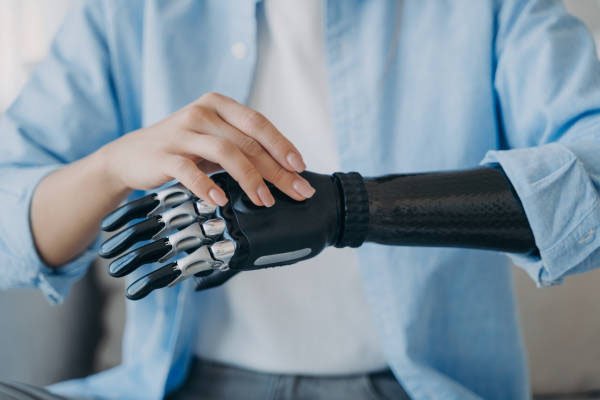
Upper limb implants are advanced medical devices designed to replace or support the function of damaged or missing bones, joints, or limbs in the upper body. These implants play a vital role in orthopedic reconstruction, prosthetic rehabilitation, and functional restoration after severe injury, amputation, or congenital limb deficiency.
Whether it’s a shoulder implant, elbow implant, or hand prosthesis, upper limb implants help patients regain movement, improve strength, and restore independence in their daily lives.
Upper limb implants are artificial components surgically placed to replace or reinforce the bones or joints of the arm, shoulder, elbow, wrist, or hand. These devices may be made from biocompatible metals (like titanium or stainless steel), medical-grade polymers, or silicone materials that safely integrate with the body.
There are two main categories:
Orthopedic Implants – such as plates, screws, and joint replacements used in bone fixation or reconstruction.
Prosthetic Implants – such as artificial arms, myoelectric prosthetics, and custom-made prosthetic limbs designed for amputees.
Shoulder Implants: Used in shoulder replacement surgery to restore mobility and reduce pain caused by arthritis, fractures, or rotator cuff injuries.
Elbow Implants: Designed to mimic the natural hinge movement of the elbow joint, often used in trauma or rheumatoid arthritis cases.
Wrist Implants: Help restore fine motor control and flexibility in patients with severe wrist damage.
Hand and Finger Implants: Include silicone finger implants, joint spacers, or osseointegrated prosthetics that enhance grip and precision.
Custom Upper Limb Prostheses: Personalized solutions designed for comfort, aesthetics, and natural motion.
Improved Mobility: Restores functional movement of the affected arm or hand.
Enhanced Strength and Stability: Provides structural support and reduces pain.
Natural Appearance: Especially with silicone cosmetic prosthetics, the results are realistic and lifelike.
Faster Rehabilitation: Helps patients regain independence in daily activities.
Durability: Made with long-lasting, biocompatible materials ensuring safety and longevity.
Upper limb implants are recommended for individuals with:
Severe traumatic injuries or fractures
Congenital limb deficiencies
Amputation due to accidents or disease
Arthritis or joint degeneration
Post-tumor reconstruction needs
Modern upper limb prosthetics have evolved with cutting-edge technologies like:
Myoelectric Control Systems: Allow users to move their artificial limb using muscle signals.
3D-Printed Custom Implants: Designed for perfect anatomical fit.
Lightweight Materials: Such as carbon fiber for better comfort and flexibility.
Osseointegration Technology: Directly connects the prosthesis to bone for natural movement and better load transfer.
These innovations make today’s artificial limbs for upper body more efficient, functional, and user-friendly than ever before.
Successful recovery after upper limb implant surgery involves:
Physiotherapy to restore movement and muscle strength
Regular check-ups to ensure implant stability
Occupational therapy for functional training
Proper hygiene and maintenance for prosthetic implants
Consistent follow-up helps extend the lifespan of the implant and ensures optimal performance.
Upper limb implants have transformed the lives of thousands by restoring mobility, strength, and confidence. From custom prosthetic arms to advanced orthopedic implants, modern solutions provide both functionality and aesthetic restoration. With continuous innovation and improved surgical techniques, the future of upper limb prosthetics promises even greater comfort, control, and quality of life.