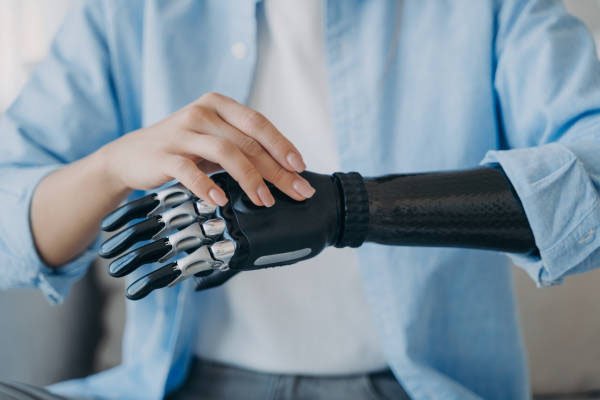
Losing a limb doesn’t mean losing your independence. Modern prosthetics—from bionic prosthetics to custom-made prosthetic devices—are designed to restore movement, functionality, and confidence. With precision design, lightweight materials, and personalized fitting, today’s prosthetic devices empower individuals to live active, independent lives again.
A prosthesis is an artificial replacement for a missing body part. These devices restore both form and function—allowing users to perform everyday activities naturally and comfortably.
Examples include:
Prosthetic Arm or Upper Limb Prosthetics for those with arm or hand loss
Prosthetic Leg or Lower Limb Prosthetics for below-knee or above-knee amputations
Prosthetic Implants that integrate directly with the body for added stability
Prosthetics replace missing body parts—like an arm, leg, hand, or foot—to restore mobility, balance, and independence. They act as artificial limbs that help people perform daily tasks such as walking, writing, driving, or even playing sports.
Modern prosthetic devices not only improve physical movement but also enhance confidence and emotional well-being. From lower limb prosthetics for walking to upper limb prosthetics for hand functions, they bring life back to normal activities.
1. Upper Limb Prosthetics
These include prosthetic arms, hands, and upper body prosthetic devices. Depending on your needs, they can be:
Functional prosthetics – for grip, motion, or tool usage
Cosmetic prosthetics – designed for natural appearance
2. Lower Limb Prosthetics
These include artificial lower limb prosthetics, lower limb implants, and prosthetic legs. They help users walk, run, or even participate in sports. Types include:
Below-knee and above-knee prosthetic limbs
Athletic running blades
Waterproof or lightweight prosthetic legs
3. Advanced Robotic & Bionic Prosthetics
Robotic prosthetics and bionic limbs use sensors, AI, and muscle signals for natural, intuitive movement. These high-performance prosthetic implants can even adapt to the user’s walking or gripping style.
Every person’s body is unique, which is why custom-made prosthetic devices are essential. Proper prosthetic fitting and alignment ensure comfort, balance, and long-term usability.
Benefits include:
Personalized design and socket comfort
Improved gait and posture
Lightweight prosthetic limbs for easy daily wear
Every prosthetic device is designed to function as naturally as possible. Here’s how they work:
Attachment or Fitting:
The prosthesis is attached to the residual limb using a custom-made socket. This ensures comfort and secure grip.
Structural Support:
Inside, a pylon (the internal frame) provides strength—similar to bones in the body.
Movement Control:
Mechanical prosthetics use simple joints, hinges, or straps.
Myoelectric and bionic prosthetics use electrical signals from your muscles or brain to move naturally.
Balance and Comfort:
Modern lightweight prosthetic limbs are made from advanced materials like carbon fiber to maintain proper alignment and reduce fatigue.
In short — prosthetics mimic natural motion using mechanical parts, smart sensors, and customized fitting to help users move confidently.
Prosthetics are used to replace lost or damaged body parts and help people regain normal life functions. Common uses include:
Walking or Running with a prosthetic leg or lower limb implant
Holding or Grasping Objects with an artificial hand or prosthetic arm
Performing Work Tasks requiring precision and strength
Restoring Appearance through cosmetic or custom-made prosthetic devices
Sports and Active Living with bionic or robotic prosthetics designed for performance
They are also used for rehabilitation after accidents, amputation, or congenital limb loss, helping patients achieve both physical and emotional recovery.
Find advanced prosthetic limbs and implants for upper and lower body mobility. From bionic prosthetics to custom-made artificial limbs, regain comfort, balance, and confidence with modern prosthetic technology. Getting a prosthetic device is a step-by-step process that ensures the perfect fit and comfort:
Medical Assessment:
Consult a prosthetics clinic or orthopedic specialist to evaluate your condition and mobility goals.
Custom Design & Measurement:
The clinic designs a custom-made prosthetic device—like an upper limb implant or lower limb prosthetic—based on your body shape and needs.
Fitting & Alignment:
The prosthesis is fitted to your body for stability and balance. Proper prosthetic fitting and alignment is crucial for comfort.
Training & Adaptation:
Therapists teach you how to walk, move, and perform daily activities with your new limb.
Follow-up Care:
Regular adjustments ensure long-term use and comfort.
💡 Tip: Always start your journey at a prosthetic clinic, not just a manufacturer. Clinics provide full support—from selection to fitting and rehabilitation.
When selecting a prosthetic device, consider:
Type of limb loss (upper or lower body)
Lifestyle and activity level
Technology preference (mechanical, myoelectric, or bionic)
Budget and maintenance support
For first-time users, it’s best to start with a prosthetics clinic. They ensure the perfect fit, training, and rehabilitation support. Later, you can explore specialized prosthetic companies for advanced limb models or upgrades.
From lightweight prosthetic limbs to bionic prosthetic arms, these advanced devices represent freedom, function, and innovation. Whether it’s an upper limb implant or a lower limb prosthetic, every design aims to restore not just movement—but confidence and quality of life.
Choose the right prosthetic solution that fits your lifestyle, ensures comfort, and empowers you to live life without limits.